
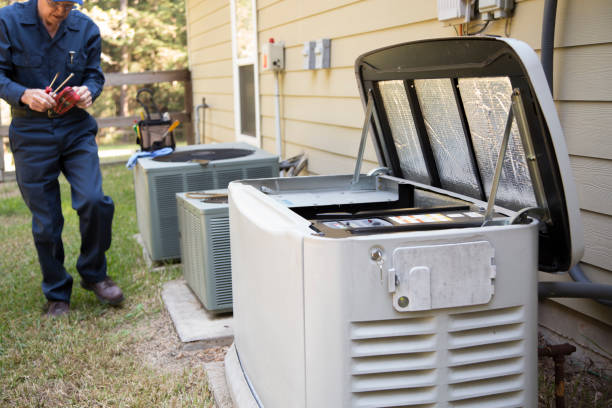
Improved Energy Efficiency
A professionally installed new HVAC system can enhance your home’s energy efficiency by incorporating modern technology and improved designs. Here’s how:
– Higher SEER Ratings: Newer systems often come with a higher Seasonal Energy Efficiency Ratio (SEER), consuming less energy while delivering better cooling or heating.
– Advanced Features: Features like variable-speed compressors or smart thermostats allow more precise control over indoor temperatures, reducing unnecessary energy use.
– Sealed Ductwork: Professionals ensure that ductwork is properly sealed to prevent air leaks, which can lead to significant energy savings.
Enhanced Indoor Air Quality
Professional HVAC replacement services also contribute to better indoor air quality by:
– Installing systems equipped with advanced filtration technologies.
– Reducing dust, allergens, and pollutants circulating in your home.
– Ensuring proper ventilation, which helps regulate humidity levels and prevents mold growth.
Long-Term Cost Savings
Although replacing an HVAC system involves an upfront investment, it leads to long-term cost savings in several ways:
– Reduced utility bills due to improved efficiency.
– Lower maintenance costs because newer systems require fewer repairs compared to older units.
| Cost Component | Old System | New Professional Installation |
| Monthly Utility Costs | High | Low |
| Repair Frequency | Frequent | Minimal |
| Overall Efficiency Rating | Low | High |
Increased Comfort and Reliability
An outdated or poorly functioning HVAC system often struggles to maintain a consistent temperature throughout your home. Professional replacements resolve these issues by ensuring:
– Properly sized units tailored for your home’s heating and cooling needs.
– Uniform temperature distribution across rooms. – Elimination of frequent breakdowns during extreme weather conditions.
Warranty Protection
Most manufacturers offer warranties on new systems only when they are installed by certified professionals. These warranties can cover repairs or replacements for a specific period, giving you peace of mind.
Top Reasons to Choose Certified Technicians for Orlando AC Repair
When replacing an HVAC system, choosing licensed professionals has its own advantages:
1. Expertise & Training: Certified contractors have extensive knowledge about different system models and installation techniques.
2. Safety Assurance: They follow local codes and safety regulations during the process.
3. Efficient Project Completion: With access to advanced tools and equipment, experts complete installations quickly without compromising quality.
Replacing an HVAC system is a significant decision that influences not just comfort but also energy usage and maintenance expenses over time. A professional contractor ensures that every aspect of the project is handled correctly while keeping your long-term needs in mind.
Recognizing the Signs You Need Orlando FL Air Conditioning Repair
Frequent Repairs
- If you find yourself scheduling constant repairs, the cost can quickly add up. Compare repair costs against the price of a new unit:
| Repair Costs | Recommended Action |
|———————-|————————————|
| Less than 50% of replacement cost | Repair may still be viable |
| More than 50% of replacement cost | Consider replacing the unit instead |
Rising Energy Bills
Older systems often lose efficiency over time, leading to increased energy consumption. If your electricity bills are climbing despite regular maintenance and consistent usage habits, it might indicate that your system is working harder than it should. Newer HVAC systems with higher SEER (Seasonal Energy Efficiency Ratio) ratings can significantly lower operating costs.
Uneven Cooling or Inconsistent Temperatures
Do you notice certain rooms being hotter or colder than others? This could mean that:
– Your system is too old to keep up with demand.
– There’s a loss of capacity due to wear and tear.
An upgraded air conditioner can provide consistent cooling throughout your home.
Age of Your Air Conditioner
Most modern air conditioners have a lifespan of about 10-15 years when well-maintained. If yours is older, consider replacing it rather than investing in expensive repairs for an outdated unit.
Strange Noises or Odors
- Grinding noises or banging sounds suggest mechanical failure, while musty odors may point to mold growth inside your HVAC system. Both issues warrant immediate attention and could indicate the need for replacement.
Poor Indoor Air Quality (IAQ)
Failing systems often struggle to filter out allergens and pollutants effectively. If residents experience worsening allergies or respiratory issues while indoors, upgrading to a newer model with advanced filtration features can improve IAQ significantly.
Benefits of Timely Air Conditioner Replacement
Identifying these signs early and opting for replacement can provide several advantages:
1. Improved Energy Efficiency – Modern units use advanced technology designed to minimize power consumption while maximizing performance.
2. Enhanced Comfort – A new air conditioner ensures consistent temperatures and improved humidity control.
3. Reduced Maintenance Costs – With fewer breakdowns and better reliability, newer models typically require less frequent servicing.
4. Environmental Impact – Systems using eco-friendly refrigerants like R410A comply with environmental regulations while reducing emissions.
Regularly inspecting your HVAC system and recognizing these warning signals can prevent costly breakdowns while ensuring long-term comfort in your home or office environment.
What Does Comprehensive HVAC Replacement Include?
When it’s time to replace your HVAC system, understanding what a comprehensive replacement entails can help ensure you get the best value and performance for your investment. A professional HVAC replacement service is more than just swapping out old equipment—it involves a thorough process designed to optimize your home’s comfort, energy efficiency, and overall air quality.
Key Components of a Comprehensive HVAC Replacement
- A licensed HVAC contractor will start by assessing your home’s heating and cooling needs.
- This includes evaluating factors such as square footage, insulation quality, window types, and local climate conditions.
- Contractors will perform Manual J calculations to determine the appropriate size and capacity of the new system.
- The existing HVAC system is carefully dismantled and removed without causing damage to surrounding structures or ductwork.
- Proper disposal or recycling of old units ensures compliance with environmental regulations.
- Your ductwork is inspected for leaks, blockages, or damage that could hinder airflow or efficiency in the new system.
- Necessary repairs or replacements are completed to ensure optimal performance.
- Based on the assessment results, contractors recommend an HVAC unit that matches your home’s heating and cooling demands while offering energy-efficient features.
- Options may include central air systems, heat pumps, mini-split systems, or high-efficiency furnaces tailored to your needs.
- The new equipment is installed following manufacturer guidelines and local code requirements.
- Installation typically includes the furnace/air handler, condenser unit, thermostat upgrades if necessary, refrigerant lines (if applicable), and electrical connections.
- Technicians test the new system to confirm it operates efficiently across all settings.
- This includes checking airflow rates, refrigerant levels (if applicable), thermostat calibration, and temperature distribution throughout the home.
- A reputable contractor ensures that all debris from the installation process is removed from your property.
- They may also walk you through operating instructions for your new system.
Additional Services Offered During an HVAC Replacement

- Air Filtration Systems Improve indoor air quality with advanced filters or air purifiers integrated into your setup.
- Smart Thermostats Enhance energy efficiency with programmable thermostats that allow remote control via smartphone apps.
- Zoning Systems Divide your home into zones with independent temperature controls for greater comfort customization.
Why Comprehensive Service Matters
Opting for comprehensive replacement services ensures long-term value by addressing every aspect of your home’s heating and cooling infrastructure. This approach not only enhances comfort but also reduces energy bills while prolonging system lifespan through optimized installation practices tailored specifically to your home’s requirements.
By focusing on every detail—from initial assessments to final cleanup—comprehensive services provide peace of mind that all aspects have been considered for maximum efficiency and reliability in years ahead.
Exploring Essential HVAC Services Every Homeowner Should Know About
HVAC services are critical for maintaining a comfortable, safe, and energy-efficient home. As a homeowner, understanding the range of essential HVAC services can help you keep your system running efficiently while avoiding costly repairs or replacements. Below is an overview of key HVAC services every homeowner should be aware of.
Routine Maintenance Services
- Filter Replacement: Dirty filters can restrict airflow and reduce efficiency. Replacing filters every 1-3 months ensures optimal performance.
- System Inspection: A professional technician inspects components like the coils, thermostat, ductwork, and electrical connections.
- Cleaning Components: Dust and debris can build up inside your system over time. Cleaning evaporator coils, condenser coils, and blower fans improves efficiency.
- Lubricating Parts: Moving parts like motors and fans need lubrication to minimize wear and tear.
Routine maintenance not only enhances system efficiency but also extends its lifespan.
Repairs for Malfunctioning Systems
- Fixing refrigerant leaks
- Replacing worn-out belts or motors
- Repairing electrical connections or faulty wiring
- Resolving thermostat malfunctions
Prompt repairs can prevent small issues from escalating into major problems that require full system replacement.
Air Duct Cleaning Services
- Reduced allergens in the home
- Improved airflow throughout the system
- Enhanced energy efficiency
System Upgrades & Replacement
| Issue | Indication You Need an Upgrade |
| Rising Energy Bills | Indicates a loss in system efficiency |
| Uneven Heating or Cooling | Points to poor performance |
| Frequent Repairs | Suggests aging components |
Modern HVAC systems offer advanced features like programmable thermostats, energy-efficient compressors, and zoning capabilities to enhance comfort while lowering utility costs.
Emergency HVAC Services
Unexpected breakdowns during extreme weather conditions may require emergency repairs outside normal business hours. Many professional contractors offer 24/7 emergency services to restore comfort quickly when you need it most.
Indoor Air Quality Solutions
- Installation of air purifiers or humidifiers
- Adding UV germicidal lights to kill bacteria
- Sealing leaky ductwork to reduce pollutants
These solutions create a healthier environment for families by addressing airborne irritants and humidity levels.
By being informed about these essential HVAC services—routine maintenance, timely repairs, air duct cleaning, system upgrades/replacement options, emergency assistance, and IAQ enhancements—homeowners can maximize their investment in their heating and cooling systems while ensuring year-round comfort in their living spaces.
How to Choose the Right HVAC Contractor for Your Home’s Needs
Selecting the right HVAC contractor is a critical decision that can impact your home’s comfort, energy efficiency, and long-term equipment performance. With so many options available, it’s essential to evaluate contractors thoughtfully. The following sections outline key factors and strategies to ensure you hire a professional who meets your needs.
Evaluate Credentials and Licensing
A reputable HVAC contractor should have the appropriate licenses and certifications required by state or local authorities. When researching contractors:
– Verify licensing: Confirm that they hold an active HVAC license in your area.
– Check certifications: Look for certifications from recognized organizations such as NATE (North American Technician Excellence) or EPA (Environmental Protection Agency) for handling refrigerants.
– Confirm insurance coverage: Ensure they carry liability insurance and workers’ compensation to protect you in case of accidents during installation or repairs.
These credentials demonstrate their expertise, safety standards compliance, and ability to perform work professionally.
Assess Experience and Specializations
Experience matters when it comes to HVAC systems. Consider contractors with a proven track record of working on similar systems to yours. Questions to ask include: – How many years have you been in business?
– Do you specialize in residential systems, commercial systems, or both?
– Are you experienced with specific brands or technologies (e.g., ductless mini-splits, smart thermostats)?
The more experience a contractor has with your type of system, the better equipped they’ll be to handle challenges efficiently.
Read Reviews and Seek References
Online reviews and customer testimonials can offer valuable insights into a contractor’s quality of work. Steps for vetting include: 1. Check platforms like Google Reviews, Yelp, or Better Business Bureau (BBB).
2. Look for patterns—consistent positive feedback usually indicates reliability. 3. Request references directly from the contractor: Contact past clients for firsthand accounts of their satisfaction with services provided.
Compare Estimates
Before committing to a contractor, obtain written estimates from at least three companies. When comparing quotes:
– Ensure they provide itemized breakdowns of labor costs, materials, equipment pricing, etc. – Avoid choosing solely based on the lowest price; quality workmanship may come at a slightly higher cost but ensures better long-term results. – Question any unusually low bids—this could indicate subpar materials or inexperienced technicians.
Communication Matters
Effective communication is critical when working with an HVAC contractor. During initial consultations:
– Observe how clearly they answer your questions about system options or potential upgrades. – Evaluate professionalism—punctuality, organization skills during assessments are strong indicators. – Ask about timelines for project completion as well as follow-up support after installation.
A professional who prioritizes clear communication will likely ensure that every stage of your project runs smoothly.
| Key Criteria | Importance |
| Licensing & Certifications | Guarantees compliance with regulations |
| Experience & Specialization | Ensures expertise in handling specific systems |
| Reviews & References | Validates reputation through past experiences |
| Transparent Pricing | Prevents unexpected charges post-project |
| Professional Communication | Enhances trust throughout collaboration |
By following these guidelines step by step during your search process, you’ll significantly improve your chances of finding an HVAC contractor who delivers reliable services tailored specifically for your home’s needs while ensuring peace of mind throughout the project lifecycle.
Upgrading Your HVAC System: Why Orlando AC Service is Essential for Year-Round Comfort
Upgrading your HVAC system is a significant investment, but it can dramatically enhance your home’s comfort, energy efficiency, and overall air quality. Outdated systems are often less efficient and struggle to maintain consistent temperatures throughout the year. Modern HVAC systems, on the other hand, are designed to deliver superior performance while reducing energy consumption.
Improved Energy Efficiency
One of the primary advantages of upgrading your HVAC system is improved energy efficiency. Older systems tend to consume much more energy due to outdated technology or wear and tear. Modern systems are built with advanced features like:
– Smart thermostats that allow for precise temperature control and scheduling.
– Variable-speed motors that adjust automatically based on heating and cooling needs.
– Energy-efficient SEER (Seasonal Energy Efficiency Ratio) ratings, which indicate better performance with less power usage.
These advancements not only reduce your carbon footprint but also lead to noticeable savings on monthly utility bills.
Enhanced Indoor Air Quality
A new HVAC system can significantly improve the indoor air quality in your home, which is essential for maintaining a healthy living environment. Many modern units come equipped with features such as:
– High-efficiency filters that capture more dust, allergens, and pollutants from circulating air.
– UV light technology that combats mold, bacteria, and viruses within the system.
– Humidity control options to maintain ideal moisture levels year-round.
This is particularly important for households with individuals who suffer from allergies or respiratory issues.
Increased Reliability
Older HVAC units are prone to frequent breakdowns, especially during peak seasons when they’re pushed to their limits. Upgrading ensures you have a more reliable system designed to withstand heavy usage without compromising performance or requiring constant repairs.
Common Issues with Aging Systems
| Problem | Impact |
| Frequent Repairs | Rising maintenance costs |
| Uneven Heating/Cooling | Reduced comfort in certain areas |
| Higher Energy Bills | Lack of efficiency over time |
By replacing an outdated unit, you eliminate these common headaches while enjoying consistent performance throughout the year.
Smart Technology Integration
Modern HVAC systems offer seamless integration with smart home technologies. This includes remote access through mobile apps where you can: – Monitor energy usage. – Adjust temperature settings remotely. – Receive alerts for maintenance reminders or potential issues.
This added layer of control helps ensure maximum comfort without wasting energy unnecessarily.
A Long-Term Investment in Comfort
While the upfront cost of an upgraded HVAC system may seem high, it’s important to view this as a long-term investment in both comfort and savings. Over time, increased efficiency reduces operational costs while minimizing wear on key components—extending the lifespan of your new system significantly.
Ultimately, upgrading your HVAC setup ensures that your home remains comfortable regardless of seasonal changes while benefiting from improved efficiency and reliability year after year.
- Finding the Best HVAC Company Orlando, FL for Timely Replacement and Optimal Performance
- Tips for Recognizing if a Dirty Filter is Impacting Your Orlando AC Service
- Discover the Top Benefits of Hiring an HVAC Company Orlando, FL for Replacement Services
- Discover the Financial Benefits of Upgrading to a Smart Orlando AC Service System
- Exploring the Future of HVAC Company Orlando, FL: Trends and Innovations in AC Technology
- Top Signs You Need Orlando AC Repair or a Complete Replacement
- Addressing Common Orlando AC Repair Issues and How to Solve Them
- Identifying When to Call an HVAC Company Orlando, FL for Air Conditioning Replacement