
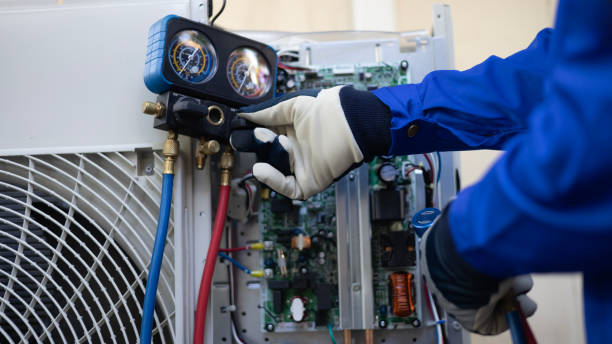
As the HVAC industry continues to evolve, advancements in technology and sustainability practices are shaping the way air conditioning systems are designed, installed, and maintained. These innovations are not only improving energy efficiency but also empowering homeowners and businesses to make smarter decisions regarding AC replacement. Below are some of the most notable trends transforming the future of AC replacement.
Smart Thermostats and Automation
- Real-Time Monitoring: Track energy usage and indoor temperatures with precision.
- Learning Algorithms: Some models can adapt to your schedule, optimizing heating and cooling based on your habits.
- Energy Savings Reports: Receive insights into your energy consumption patterns.
This automation reduces energy waste while maintaining comfort levels, making it an essential innovation in AC replacement.
High-Efficiency Systems with Variable Speed Technology
- Consistent indoor temperatures without sudden fluctuations.
- Lower operating costs due to reduced energy consumption.
- Quieter operation compared to older models.
These systems ensure a balance between performance and sustainability.
Eco-Friendly Refrigerants
| Refrigerant Type | GWP Rating | Benefits |
| R-410A | 2,088 | More efficient than older refrigerants like R-22 but still being phased out for greener options. |
| R-32 | 675 | Higher efficiency with less environmental impact. |
| R-454B | ~466 | Significantly lower GWP for improved sustainability. |
By transitioning away from harmful refrigerants such as R-22 (commonly known as Freon), newer air conditioning units align with global environmental standards like the Kigali Amendment.
Solar-Powered Air Conditioning
- Reduced reliance on grid electricity.
- Significant cost savings over time due to lower energy bills.
- Lower carbon footprint by utilizing clean energy.
Solar integration is paving the way toward a more sustainable future for HVAC systems.
Advanced Filtration Systems for Better Air Quality
- HEPA Filters: Capture microscopic particles such as dust mites, pet dander, and pollen.
- UV Light Purifiers: Kill airborne bacteria and viruses.
- Electrostatic Filters: Use electric charges to trap fine particles more effectively than traditional filters.
These features benefit individuals with allergies or respiratory issues while creating healthier indoor environments overall.
Predictive Maintenance Through Artificial Intelligence (AI)
- Reduced downtime since repairs can be scheduled proactively.
- Extended lifespan of equipment due to regular maintenance alerts.
- Lower repair costs by addressing minor issues early on.
This approach enhances both reliability and convenience for homeowners and business owners investing in new AC systems.
The future of AC replacement lies in integrating cutting-edge technologies that prioritize efficiency, sustainability, and user convenience. These innovations not only provide better climate control but also contribute positively toward reducing environmental impact—a crucial factor in modern HVAC solutions.
Expert Orlando AC Repair with Smart Diagnostics and Predictive Solutions
The HVAC industry is undergoing a significant transformation, driven by advancements in smart diagnostics and predictive solutions. These innovations are designed to improve system performance, minimize downtime, and enhance energy efficiency. Below, we explore how these technologies are shaping the future of HVAC systems.
The Role of Smart Diagnostics in HVAC
- Early Issue Detection: Sensors monitor parameters such as airflow, refrigerant levels, pressure, and temperature. This helps identify small anomalies that could lead to larger failures if left unaddressed.
- Reduced Downtime: By diagnosing issues early, repairs can be scheduled proactively, reducing the likelihood of unexpected breakdowns.
- Data-Driven Maintenance: Access to real-time data allows contractors and facility managers to base maintenance schedules on system needs rather than fixed timelines.
Predictive Solutions for Enhanced System Performance
Predictive solutions take diagnostics a step further by using advanced algorithms and machine learning to forecast potential failures. These tools provide valuable insights that help optimize system operation.
- Analyze historical system data.
- Predict component wear-and-tear or imminent malfunctions.
- Detect inefficient energy consumption patterns.
- Recommend adjustments for better performance.
- Provide maintenance alerts when specific thresholds are exceeded.
- Suggest parts replacement or service intervals.
How Smart Technologies Impact Homeowners and Businesses
- Cost Savings: Early issue detection reduces repair costs by addressing minor problems before they escalate into expensive breakdowns.
- Improved Comfort: Systems running at optimal efficiency maintain consistent indoor temperatures without overworking components.
- Extended System Lifespan: Predictive maintenance reduces wear on individual components, prolonging the overall life of the HVAC unit.
| Feature | Traditional Systems | Smart & Predictive Solutions |
| Maintenance Approach | Reactive | Proactive |
| Energy Efficiency | Moderate | High |
| Problem Detection Time | After Failure | Before Failure |
| Data Accessibility | Minimal | Comprehensive Real-Time Analytics |
Challenges in Adopting Smart Diagnostics
- Initial Investment Costs: Upgrading older systems with smart technology can have higher upfront costs compared to traditional systems.
- Training Requirements: Contractors need specialized training to interpret complex diagnostic data effectively.
- Cybersecurity Risks: As these systems increasingly connect via IoT platforms, protecting sensitive data becomes essential.
Final Thoughts
Smart diagnostics and predictive solutions represent a pivotal shift in how HVAC systems are maintained and operated. By leveraging real-time monitoring and advanced analytics, these technologies offer enhanced reliability, efficiency, and cost savings for both residential users and commercial properties. Investing in such innovations today sets the stage for long-term benefits tomorrow.
IoT Integration and Remote Monitoring for Enhanced Orlando AC Service Efficiency
The integration of the Internet of Things (IoT) into HVAC systems is transforming how businesses and homeowners manage heating, ventilation, and air conditioning. Leveraging IoT technologies not only enhances system efficiency but also provides users with greater control, reduced energy costs, and valuable insights into system performance. Here’s a closer look at how IoT integration is shaping modern HVAC solutions.
Benefits of IoT in HVAC Systems
- Real-Time Monitoring
IoT-enabled HVAC systems allow for continuous real-time monitoring of key performance metrics such as temperature, air quality, humidity levels, and energy consumption. This ensures that any anomalies or inefficiencies are detected promptly. - Predictive Maintenance
With remote sensors and predictive algorithms, IoT-based systems can anticipate potential failures before they occur. This minimizes downtime while extending the lifespan of equipment by addressing issues early. - Energy Optimization
Smart thermostats and interconnected devices constantly analyze data to optimize energy usage based on behavioral patterns or environmental conditions. This reduces waste and lowers utility bills. - Enhanced User Control
With mobile apps or web interfaces linked to IoT platforms, users can adjust settings remotely from anywhere. Whether setting up schedules or managing zones within a building, remote control offers unmatched convenience. - Data-Driven Insights
IoT systems collect vast amounts of data over time to provide actionable insights for performance optimization. This information helps facility managers make informed decisions on upgrades or replacements.
Examples of IoT Applications in HVAC
| Feature | Description | Benefits |
| Smart Thermostats | Devices like Nest or Eco bee adjust temperatures automatically based on user preferences and environmental conditions. | Energy savings and personalized comfort |
| Remote Diagnostic Tools | Connected sensors report system status directly to technicians. | Faster troubleshooting; fewer service calls |
| Zone-Based Climate Control | Systems create customized temperature zones throughout a building. | Improved efficiency; targeted comfort |
| Predictive Maintenance Alerts | Notifications based on sensor data indicate when parts need attention. | Reduced downtime; lower repair costs |
Industry Trends Driving Adoption
- Increased Focus on Energy Efficiency: Governments worldwide offer incentives for reducing carbon footprints, making connected systems appealing.
- Rising Demand for Smart Homes: Homeowners are increasingly adopting smart technologies that integrate seamlessly with other connected devices.
- Technological Advancements: The growing affordability of sensors, cloud computing, and machine learning techniques makes deploying IoT solutions more viable than ever.
- Consumer Expectations: Today’s consumers expect convenience and customization in their daily interactions with technology—HVAC systems are no exception.
Challenges in Implementation
- Cybersecurity Risks: Connected devices pose potential vulnerabilities if proper security measures aren’t implemented.
- Initial Investment Costs: Transitioning to an IoT-enabled system may require significant upfront expenditure.
- Integration Complexities: Retrofitting older HVAC systems with modern technology can be complex without proper planning.
The Future Outlook
As more industries embrace digital transformation strategies, the role of connected technologies in enhancing HVAC efficiency will continue to expand. By investing in IoT-enabled solutions today, contractors can future-proof their services while providing unmatched value to both residential and commercial clients.
IoT Integration and Remote Monitoring for Enhanced Orlando FL Air Conditioning Repair Efficiency
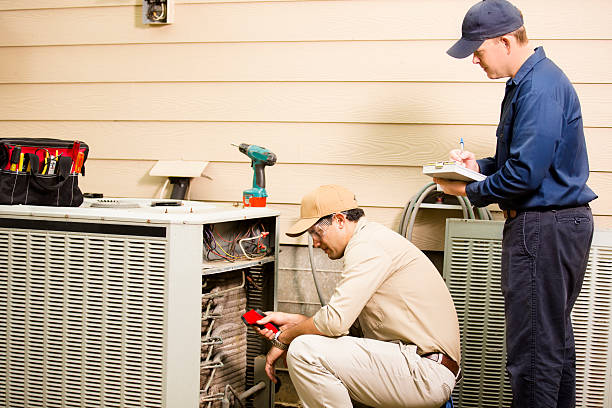
The integration of IoT (Internet of Things) into HVAC systems is transforming the way heating, ventilation, and air conditioning units operate. By leveraging advanced technologies such as sensors, connectivity, and real-time data analytics, IoT-enabled HVAC systems are driving efficiency, reducing energy consumption, and improving overall performance. Here’s a closer look at how IoT integration and remote monitoring are reshaping the HVAC landscape.
Benefits of IoT Integration in HVAC Systems
- Real-Time Monitoring: Sensors embedded in the system collect data on temperature, humidity, air quality, and system performance. This allows homeowners or facility managers to monitor the system’s efficiency in real-time from anywhere via mobile apps or web interfaces.
- Predictive Maintenance: With IoT-powered diagnostics, potential issues such as filter blockages or component wear can be detected early. This enables proactive maintenance that minimizes downtime and costly repairs.
- Energy Optimization: The data collected by IoT sensors helps optimize energy usage by adjusting settings based on occupancy patterns and environmental changes.
- Remote Access: Users can adjust settings such as temperature or fan speed remotely using smartphones or other connected devices, ensuring comfort while reducing energy waste.
Remote Monitoring: A Game-Changer for Efficiency
- Enhanced Troubleshooting: Remote monitoring dashboards provide detailed insights into system health and performance metrics. Technicians can diagnose issues without needing to perform an on-site inspection immediately.
- Energy Savings: By analyzing patterns in energy usage through remote monitoring tools, property owners can identify inefficiencies and make adjustments to save costs.
- Improved Comfort Control: Occupancy sensors combined with remote access ensure that climate control adapts dynamically based on room usage.
| Feature | Traditional Systems | IoT-Based Systems |
| Maintenance | Reactive (after failure) | Predictive (pre-failure prevention) |
| Energy Consumption | Fixed settings; less efficient | Adaptive; optimized for savings |
| User Interaction | Local/manual controls only | Remote/mobile app-based control |
Implementation Challenges
While the benefits are evident, implementing IoT-enabled HVAC systems does present some challenges:
– Upfront Costs: Smart systems typically require an initial investment which may include new equipment or retrofitting older units with smart capabilities. – Data Security Concerns: As these systems rely on connectivity, they may be vulnerable to cybersecurity threats if not properly secured. – Complexity in Setup: Integrating these technologies into existing infrastructure often requires expertise to ensure seamless operation.
The Future of IoT-Powered HVAC Solutions
Advancements in AI (Artificial Intelligence) will further enhance predictive capabilities within HVAC systems by analyzing patterns more effectively over time. Additionally, greater interoperability between devices from different manufacturers is expected to simplify implementation across residential and commercial setups.
By embracing IoT integration alongside remote monitoring solutions today, businesses and homeowners alike will be well-prepared for a future defined by smarter energy management practices and improved indoor environments. As adoption rates continue rising globally due to increasing energy efficiency demands, this technology is set to become a cornerstone of modern HVAC solutions moving forward.
How to Choose the Right HVAC Contractor for Your Home or Business
1. Verify Licensing and Certifications
Ensure that the contractor holds all necessary licenses and certifications required by your state or region. Professional credentials such as NATE (North American Technician Excellence) certification demonstrate a commitment to industry standards.
- Ask for proof of licensing before hiring.
- Check if they are insured to protect against potential damages or injuries during the job.
- Inquire about participation in professional associations like ACCA (Air Conditioning Contractors of America).
2. Assess Experience and Expertise
Experience matters when it comes to HVAC systems, as these technologies can be complex. Look for contractors with significant experience handling a range of HVAC brands and models.
- How many years have they been in business?
- Do they specialize in residential, commercial, or both?
- Have they worked with the specific type or brand of system you need serviced?
3. Request References and Read Reviews
Reputable contractors should have no problem providing references from past clients. Additionally, online reviews can offer insight into their reputation.
- Check customer reviews on platforms like Google, Yelp, or Better Business Bureau.
- Contact previous customers to ask about their experiences with timeliness, communication, and overall service quality.
4. Obtain Written Estimates
Before committing to a contractor, request detailed written estimates for your project. This ensures transparency regarding costs and what services are included.
| Service | Cost Estimate | Warranty Period |
| Installation | $X – $Y | Z months/years |
| Maintenance | $X – $Y per year | Z months/years |
| Repairs | Varies | Varies |
Be cautious of unusually low bids that could indicate subpar work or hidden fees.
5. Evaluate Customer Service
Choose a company that prioritizes communication and customer satisfaction throughout the process.
- Are they responsive to calls and emails?
- Do they provide clear answers to questions about systems, warranties, or pricing?
- Are technicians punctual and respectful?
6. Review Warranties and Guarantees
A reputable contractor will offer warranties on their work as well as any equipment installed.
- Ask about labor warranties: what is covered and for how long?
- Verify manufacturer warranties on parts.
This ensures peace of mind in case issues arise after completion of the job.
7. Confirm Availability for Maintenance Plans
An ongoing maintenance plan helps keep your system running efficiently over time while reducing future repair costs.
Benefits of a maintenance agreement: – Regular inspections ensure early detection of issues. – Cleanings improve energy efficiency. – Priority service during peak seasons provides quicker response times.
Taking these steps will help you make an informed decision when selecting an HVAC contractor that aligns with your needs while protecting your investment in heating and cooling systems.
How to Choose the Right HVAC Contractor for Your Home or Business
Selecting the right HVAC contractor is a critical decision that can significantly impact the performance, efficiency, and lifespan of your heating and cooling system. With numerous contractors available, it’s essential to follow a structured approach to ensure you partner with a reliable professional. Below are key factors and tips to guide your choice.
Research Credentials and Licenses
Before hiring any HVAC contractor, verify that they have the proper licenses and certifications required by your state or local regulations. Look for credentials such as:
– NATE Certification (North American Technician Excellence): Demonstrates expertise in HVAC systems.
– EPA Certification: Ensures proper handling of refrigerants in compliance with environmental standards.
– Appropriate state licenses, which vary by location but are mandatory for legal operation.
Contractors who hold these credentials show their commitment to quality service and professionalism.
Evaluate Experience and Expertise
Experience matters when selecting an HVAC contractor. Consider how long the company has been in business and whether they specialize in residential or commercial systems. Ask questions such as:
– Have they worked with your specific brand or model of equipment?
– Do they have experience with advanced technologies like smart thermostats or energy-efficient systems?
Choosing a contractor familiar with modern solutions ensures they can handle installation, repairs, and upgrades effectively.
Reviews, References, and Reputation
The reputation of an HVAC contractor speaks volumes about their reliability. Check online reviews on platforms like Google, Yelp, or Angie’s List to see what previous customers say about their services. Additionally:
– Request references from past clients to gain insights into their workmanship. – Look for contractors with high ratings from industry organizations such as the Better Business Bureau (BBB).
A reputable contractor will have positive feedback reflecting consistent customer satisfaction.
Compare Estimates Carefully
When requesting quotes from multiple contractors, avoid simply choosing the lowest price. Instead:
1. Review detailed written estimates that include labor costs, equipment pricing, warranties, and any additional fees. 2. Be cautious about significantly lower quotes; this could indicate substandard materials or inexperienced technicians. 3. Ask whether financing options are available if replacing a system requires substantial investment.
A transparent quote helps you understand precisely what you’ll receive for your money.
Check for Insurance Coverage
Ensure that the HVAC contractor carries both liability insurance and workers’ compensation coverage. This protects you from financial responsibility should there be accidental property damage or worker injuries during the project.
| Coverage Type | Purpose |
| Liability Insurance | Covers property damage caused by the contractor |
| Workers’ Compensation | Provides protection in case of workplace injuries |
Lack of insurance is a significant red flag when evaluating potential contractors.
Prioritize Warranties and Maintenance Plans
A reliable HVAC contractor stands behind their work by offering warranties on installation labor as well as manufacturer warranties on equipment. Additionally:
– Inquire about maintenance plans offered post-installation to ensure optimal performance long-term. – A well-maintained system reduces breakdowns while increasing energy efficiency over time.
Communication Matters
Lastly, choose an HVAC professional who communicates clearly and answers all your questions patiently during consultations. Good communication ensures that expectations are understood on both sides before work begins.
By thoroughly evaluating these factors during your search process, you’ll find an HVAC contractor capable of delivering high-quality solutions tailored to your home or business needs while maintaining peace of mind throughout each stage of service delivery.
Understanding the Importance of Professional Installation When Replacing Your HVAC System
Replacing your HVAC system is an important investment that can significantly impact your comfort, energy efficiency, and long-term savings. While selecting the right equipment is crucial, the quality of the installation process is equally important. Professional installation plays a major role in ensuring your new system operates at peak performance and avoids future complications.
Why Professional Installation Matters
- Proper Sizing and Load Calculation
A professional contractor will conduct a detailed load calculation to determine the appropriate size of HVAC equipment for your home or business. Oversized or undersized systems can lead to: - Inefficiency in energy usage
- Uneven heating or cooling
- Premature wear and tear
- System Compatibility
Professionals ensure that all components, such as ductwork, thermostats, and electrical connections, are compatible with the new system. An incompatible setup can lead to frequent breakdowns or decreased energy efficiency. - Adherence to Local Codes and Regulations
Licensed HVAC contractors are familiar with local building codes and industry standards. They ensure installations comply with these regulations to avoid fines or legal issues while maintaining safety standards. - Warranty Protection
Most manufacturers require proof of professional installation for their warranties to remain valid. Without proper installation by a certified technician, you could risk voiding your warranty coverage.
Benefits of Hiring a Professional HVAC Installer
- High-Quality Workmanship: Professionals bring experience and training to each job, ensuring precise and reliable installations.
- Access to Advanced Tools: Certified installers use specialized tools for accurate calibrations and efficient work.
- Efficient Setup Time: With expertise in various system types, professionals complete installations quickly without compromising quality.
- Post-Installation Support: Many contractors offer maintenance plans or follow-up services after installation.
Risks of DIY Installation
| Risk | Potential Impact |
| Incorrect sizing | Higher utility costs; discomfort |
| Improper wiring | Fire hazards; complete system failure |
| Refrigerant handling errors | Environmental damage; health risks |
| Lack of testing/calibration | Reduced operational efficiency |
Key Considerations When Selecting an Installer
- Verify their licensing and certifications (e.g., NATE certification)
- Check reviews or request references from past clients
- Compare quotes but avoid choosing solely based on price
- Confirm they offer warranties on labor as well as equipment
Proper professional installation ensures that your new HVAC system operates efficiently while providing peace of mind in terms of long-term reliability and safety. By relying on trained experts, you make the most out of your investment in modern heating and cooling technology.
- Finding the Best HVAC Company Orlando, FL for Timely Replacement and Optimal Performance
- Tips for Recognizing if a Dirty Filter is Impacting Your Orlando AC Service
- Discover the Top Benefits of Hiring an HVAC Company Orlando, FL for Replacement Services
- Discover the Financial Benefits of Upgrading to a Smart Orlando AC Service System
- Exploring the Future of HVAC Company Orlando, FL: Trends and Innovations in AC Technology
- Top Signs You Need Orlando AC Repair or a Complete Replacement
- Addressing Common Orlando AC Repair Issues and How to Solve Them
- Identifying When to Call an HVAC Company Orlando, FL for Air Conditioning Replacement