
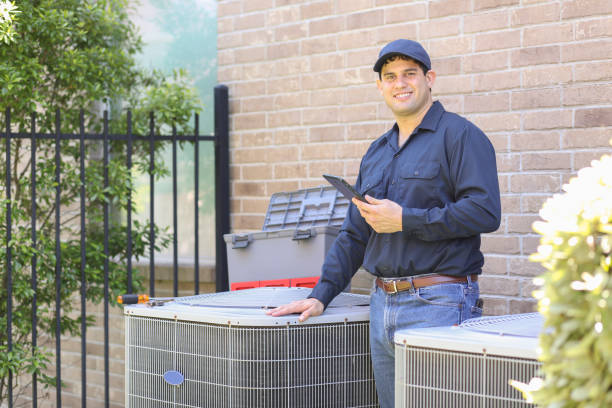
1. Frequent Repairs
If your AC unit requires constant repairs, it may be a sign that the system’s internal components are deteriorating. The cost of frequent service calls can quickly add up, often surpassing the expense of investing in a new system.
Questions to ask yourself:
– Have I scheduled multiple repairs in the past year?
– Are replacement parts becoming harder to find?
2. Rising Energy Bills
Older air conditioners often lose energy efficiency over time due to outdated components and wear on critical systems. If you’ve noticed a steady increase in your utility costs despite no significant changes in usage, it may be because your AC is working harder to maintain desired temperatures. Modern units with higher SEER (Seasonal Energy Efficiency Ratio) ratings are much more cost-effective.
| Feature | Old AC Unit | Modern AC Unit |
| SEER Rating | 10–13 | 15–25+ |
| Energy Consumption | High | Reduced by up to 30-50% |
| Monthly Utility Costs | Higher | Lower |
3. Uneven Cooling or Hot Spots
An aging system might struggle to provide consistent cooling throughout your home or business. You might notice certain rooms are cooler while others remain warm, even when the thermostat setting hasn’t changed.
Signs to look for:
– Persistent hot spots in specific areas
– Insufficient airflow from vents
4. Loud or Unusual Noises
Strange sounds such as grinding, banging, or squealing could indicate serious mechanical issues within the compressor or fan motors. While some noises might be repairable, recurring problems often suggest it’s time for a full replacement.
Common noises explained:
– Grinding/squeaking: Worn-out motor bearings
– Banging/clanking: Loose internal parts
5. System Age (10+ Years)
Air conditioners typically have an operational lifespan of about 10–15 years with proper maintenance. If your unit is nearing or exceeding this range, replacing it with a newer model can save you from frequent breakdowns and offer better energy efficiency.
Benefits of Timely Replacement
By addressing these indicators early and upgrading to a modern HVAC system when necessary, you’ll enjoy: – Improved indoor air quality – Consistent temperature control – Long-term savings on energy bills and repair costs
Recognizing when it’s time for replacement ensures uninterrupted comfort while minimizing future expenses associated with an aging system’s inefficiency.
Top Reasons to Choose a Professional Orlando AC Service for Your System Replacement
Replacing an HVAC system is a significant investment, and ensuring it is done correctly requires professional expertise. While it may be tempting to cut costs with DIY approaches or hiring less experienced individuals, working with a qualified HVAC contractor offers numerous advantages that not only save time and money but also enhance the performance and longevity of your new system.
Expertise in Orlando FL Air Conditioning Repair and Installation
Professional HVAC contractors have the knowledge, certifications, and experience needed to handle complex installations. Here’s why expertise matters:
– Accurate Sizing: An improperly sized HVAC system can result in inefficiency, uneven heating or cooling, and increased energy bills. Professionals perform load calculations to determine the correct system size for your property.
– Compliance with Safety Standards: Licensed contractors adhere to local building codes and safety regulations to ensure safe installation practices.
– Specialized Tools: Professionals use advanced tools designed specifically for complex HVAC installations, reducing the chance of errors or damage.
Energy Efficiency
A professionally installed HVAC system operates more efficiently than one installed without expert knowledge. Contractors optimize the setup by:
– Sealing ductwork effectively to prevent air leaks.
– Ensuring proper refrigerant levels for cooling systems. – Calibrating thermostats correctly for accurate temperature control.
Energy efficiency translates into lower utility bills over time and contributes to eco-friendly living by reducing your home’s carbon footprint.
Warranty Protection
Most manufacturers require professional installation as part of their warranty terms. Hiring an experienced contractor ensures that:
– You don’t void your warranty due to improper handling or installation mistakes.
– Your system remains covered in case of defects or malfunctions within the warranty period.
Without professional assistance, any DIY attempts could disqualify you from valuable protections offered by manufacturers.
Time-Saving Convenience
Hiring a professional eliminates unnecessary delays caused by trial-and-error methods during installation: – Contractors streamline the replacement process through planning and expertise. – They troubleshoot problems quickly if unexpected issues arise during setup. – You avoid spending personal time researching technical processes or purchasing additional tools.
Cost Savings in the Long Term
While hiring an expert may seem like an upfront expense, it ultimately reduces costs over time:
| DIY/Amateur Installation | Professional Installation |
|————————–|—————————|
| Increased risk of repairs | Fewer post-installation issues | | Higher energy consumption | Lower utility bills due to efficiency | | Limited lifespan of equipment | Extended equipment lifespan |
Additionally, contractors may have relationships with suppliers that allow them to procure high-quality components at better prices than retail options available to homeowners.
Peace of Mind
Working with a licensed HVAC contractor provides assurance that every aspect of your system replacement is handled professionally: – You can rely on their expertise for future maintenance advice. – Their work often includes warranties on labor in addition to manufacturer coverage on parts. – You avoid safety risks associated with incorrect installations, such as electrical hazards or refrigerant leaks.
Final Thoughts
The benefits of hiring a professional go far beyond simply replacing an old unit — they provide peace of mind while improving efficiency and reliability for years ahead. Ensuring your installation is performed by skilled technicians guarantees long-term satisfaction from both cost savings and comfort perspectives within your home or business environment.
Understanding What Our Expert Technicians Do During an HVAC System Replacement
Replacing an HVAC system is a complex process that requires technical expertise, precision, and knowledge of both the system and the space it serves. Professional technicians follow a structured approach to ensure the replacement process is seamless and efficient. Here’s an overview of what our expert technicians do during an HVAC system replacement.
1. Initial Assessment and Inspection
Before beginning any work, technicians perform a comprehensive evaluation of your current HVAC system. This includes:
– Inspecting existing equipment: Identifying outdated, damaged, or malfunctioning components. – Assessing ductwork: Checking for leaks, blockages, or issues with insulation that could affect airflow efficiency. – Calculating system requirements: Using load calculations to determine the heating and cooling capacity your home or business needs based on square footage, insulation, windows, and local climate.
This evaluation helps ensure the new system is properly sized and configured to maximize efficiency and comfort.
2. Removal of the Old System
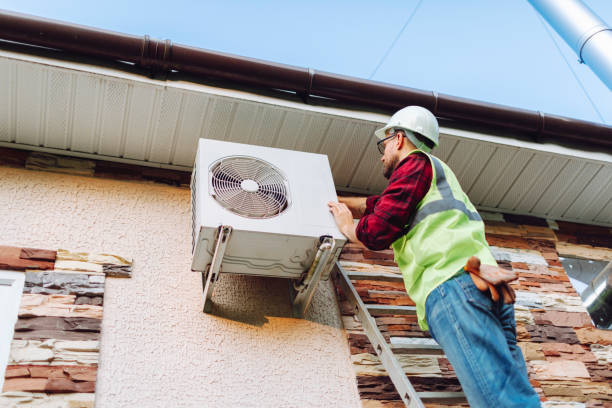
Once the assessment is complete and a new unit has been selected, technicians carefully dismantle and remove the old HVAC equipment. This process involves:
– Turning off power sources to ensure safety during removal. – Carefully disconnecting components such as refrigerant lines, electrical wiring, and ductwork connections. – Safely disposing of old units in compliance with environmental regulations.
Proper removal ensures minimal disruption to your property while maintaining safety standards.
3. Preparing for Installation
Before installing the new HVAC unit, technicians make necessary preparations to optimize performance. This may include:
– Cleaning or repairing existing ductwork to improve airflow.
– Upgrading insulation around ducts if needed.
– Installing additional support structures for heavier or larger units.
Technicians also verify that electrical systems are compatible with the new equipment.
4. Installing New Equipment
The installation phase involves carefully positioning and connecting all components of your new HVAC system. Steps include:
1. Placing outdoor condenser units on stable platforms or pads for proper drainage. 2. Attaching indoor air handlers or furnaces securely in designated areas. 3. Connecting refrigerant lines while ensuring they are sealed correctly to avoid leaks. 4. Wiring electrical connections accurately according to manufacturer guidelines.
Proper installation ensures optimal performance while avoiding future breakdowns due to poor setup.
5. System Testing and Calibration
After installation is complete, technicians test every aspect of the new system to confirm it operates efficiently and safely: – Measuring airflow throughout your space. – Checking refrigerant levels for compliance with manufacturer specifications. – Verifying thermostat functionality for accurate temperature control. – Inspecting all connections for signs of leaks or inefficiencies.
Adjustments are made as necessary during these final checks to fine-tune performance before handing over control of the system to you.
Why Professional Expertise Matters
Hiring certified professionals ensures that every step in replacing an HVAC system adheres to industry best practices: | Key Benefits | Impact on Your System | |———————————-|—————————————————-| | Proper sizing | Prevents energy waste; provides consistent comfort | | Accurate installation | Reduces risk of breakdowns; extends lifespan | | Compliance with safety standards | Protects occupants from hazards like gas leaks |
By entrusting this process to expert technicians, you can enjoy peace of mind knowing your investment will deliver reliable performance year-round without unnecessary complications or expenses caused by improper handling or shortcuts typically seen in DIY attempts or untrained services.
Steps to Ensure a Smooth and Efficient HVAC System Installation Process
Ensuring a smooth and efficient HVAC system installation requires careful planning, proper execution, and collaboration with skilled professionals. Whether you’re upgrading your current system or installing one for the first time, following these steps can streamline the process while ensuring long-term performance and efficiency.
1. Evaluate Your Heating and Cooling Needs
- Home or Building Size: The square footage of your space determines the size of the HVAC unit required for optimal performance.
- Climate: Consider local weather patterns to determine if you need a system focused on heating, cooling, or both.
- Energy Efficiency Goals: Identifying energy-efficient models can save money on utility bills over time.
- Ductwork Condition: Evaluate existing ductwork for leaks, damage, or compatibility with new HVAC systems.
Collaborate with an HVAC technician to complete a comprehensive energy audit and load calculation.
2. Choose the Right Equipment
| Feature | Why It Matters |
| Energy Efficiency Rating | Reduces monthly utility costs |
| System Size | Prevents issues like short cycling or inefficiency |
| Advanced Features | Smart thermostats and zoning capabilities |
Ensure your chosen equipment meets local energy codes and environmental standards.
3. Hire a Qualified Professional
- Verify their licenses, certifications, and insurance coverage.
- Check reviews, testimonials, or references from previous clients.
- Confirm experience with your specific system type (e.g., heat pumps, central air).
A qualified professional ensures proper installation practices are followed to maximize system lifespan.
4. Prepare Your Home or Business
- Clear access paths for technicians by removing obstacles near vents or units.
- Relocate any fragile items near work areas.
- Communicate installation details with family members or employees in advance.
- Plan for temporary temperature control if necessary during downtime.
By preparing in advance, you can reduce delays during installation day.
5. Schedule Regular Maintenance Post-Installation
- Replace air filters frequently (every 1–3 months depending on usage).
- Schedule annual professional inspections to check refrigerant levels, electrical connections, etc.
- Monitor energy bills—unexpected increases may indicate underlying issues requiring attention.
Proactive care helps safeguard against costly repairs down the road.
A well-organized approach ensures that your new HVAC system not only functions properly but provides optimal comfort throughout its lifespan while saving energy costs over time.
Why DIY Repairs and Replacements Aren’t Enough for Your HVAC System’s Longevity
When it comes to maintaining or replacing your HVAC system, many homeowners may consider do-it-yourself (DIY) repairs as a way to save money and time. However, HVAC systems are complex pieces of machinery that require specialized knowledge, tools, and experience to handle properly. Opting for DIY solutions can lead to short-term fixes at best or costly mistakes at worst, jeopardizing the comfort and safety of your home or business. Understanding why DIY repairs aren’t sufficient is essential for ensuring the longevity and effective performance of your HVAC system.
Risks Associated with DIY Repairs
- Incorrect Diagnoses
Misidentifying the root cause of an issue can lead to improper repairs that fail to resolve the problem. Worse still, it could exacerbate the damage over time. - Voiding Manufacturer Warranties
Most HVAC systems come with manufacturer warranties that often require certified professionals to perform repairs or replacements. Attempting a DIY fix could void this warranty. - Personal Safety Hazards
Handling electrical components, refrigerants, and high-pressure equipment without proper training poses safety hazards such as electrical shocks or chemical exposure. - Reduced Efficiency
A poorly performed repair can lower your system’s energy efficiency, leading to higher utility bills in the long run.
Complexity of Modern HVAC Systems
- You may overlook intricate connections, such as ductwork alignment or thermostat calibration.
- Advanced diagnostics tools are often unavailable, limiting your ability to identify underlying issues accurately.
- Compliance with local codes may be neglected, potentially resulting in fines or safety violations.
Why Professional Expertise Matters
- Proper Tools and Equipment: Professionals come equipped with specialized tools designed for efficient diagnostics and precise repairs.
- Updated Training: Licensed technicians stay current on evolving technologies and industry best practices.
- Comprehensive Maintenance Plans: Many contractors offer maintenance programs tailored to extend the life of your system through regular inspections.
| Aspect | DIY Repairs | Professional Service |
| Tools & Equipment | Limited availability | Advanced diagnostic tools |
| Knowledge Level | Basic understanding | In-depth technical expertise |
| Warranty Coverage | Often voids manufacturer warranty | Maintains warranty validity |
| Efficiency | Can reduce energy efficiency | Optimized performance |
Long-Term Costs of DIY Repairs vs Professional Service
- Fewer unexpected breakdowns
- Lower monthly energy consumption
- Prolonged equipment lifespan
For homeowners looking for long-term reliability from their HVAC system, avoiding a quick-fix mentality is key. Trained professionals bring value not just through efficient service but also by preventing future complications caused by incomplete or incorrect work done through DIY methods.
Finding the Best HVAC Company Orlando, FL for Your Home or Business
Choosing the right HVAC contractor is a critical decision that can significantly impact the comfort, efficiency, and longevity of your heating and cooling system. With numerous contractors offering similar services, it’s essential to evaluate potential candidates carefully to ensure you receive high-quality service. Below are some key considerations to help you make an informed choice.
Research Credentials and Licensing
- State Licensing: Ensure they meet all regulatory standards within your area.
- NATE Certification: North American Technician Excellence certification demonstrates advanced technical expertise.
- Insurance: Confirm that the contractor carries liability insurance and workers’ compensation coverage to protect you in case of accidents or damage during the job.
Evaluate Experience and Specialization
- How long they have been in business.
- Whether they specialize in residential, commercial, or both types of systems.
- Their expertise with specific brands or types of equipment (e.g., energy-efficient systems, ductless units).
Check References and Reviews
- Visit trusted review sites such as Google Reviews, Yelp, or Better Business Bureau (BBB).
- Ask for references from previous customers within your area.
- Look for trends—repeated complaints about missed deadlines or unprofessional behavior are red flags.
Request Detailed Estimates
| Component | Details Included |
| Equipment Costs | Type, model number, efficiency ratings |
| Labor Charges | Breakdown of labor rates |
| Project Timeline | Estimated start and completion dates |
| Warranty Information | Coverage on parts, labor, or entire systems |
This will allow you to compare costs transparently while avoiding hidden fees.
Assess Customer Service Skills
A reliable HVAC contractor values customer satisfaction from start to finish. Pay attention during your initial interactions—are they approachable? Do they take time to answer questions thoroughly? Strong communication skills are crucial for ensuring expectations align throughout the project.
Evaluate Post-Service Support
- Routine maintenance agreements.
- Emergency repair options.
- Clear instructions on using your system efficiently.
Selecting an HVAC contractor involves balancing cost considerations with professionalism and service quality. By following these guidelines systematically, you can find a dependable partner who meets both your home’s needs and budget constraints effectively.
- Finding the Best HVAC Company Orlando, FL for Timely Replacement and Optimal Performance
- Tips for Recognizing if a Dirty Filter is Impacting Your Orlando AC Service
- Discover the Top Benefits of Hiring an HVAC Company Orlando, FL for Replacement Services
- Discover the Financial Benefits of Upgrading to a Smart Orlando AC Service System
- Exploring the Future of HVAC Company Orlando, FL: Trends and Innovations in AC Technology
- Top Signs You Need Orlando AC Repair or a Complete Replacement
- Addressing Common Orlando AC Repair Issues and How to Solve Them
- Identifying When to Call an HVAC Company Orlando, FL for Air Conditioning Replacement